Tips for lowering high blood pressure in pregnancy

High blood pressure in pregnancy, also known as gestational hypertension, can be dangerous for the mum to be and her unborn child. According to the Mayo Clinic, this high blood pressure can cause a decreased blood flow to the placenta, a placental abruption, low birth weight, and premature delivery. It can lead to pre-eclampsia, which can be life threatening to mother and baby and sometimes requires immediate delivery. But at The Rose Diaries we are all about positivity, so any pregnant woman who develops high blood pressure should do all that she can to lower it and ensure a healthy delivery for her baby.

Recognise the Signs of High Blood Pressure in Pregnancy

Some women do not realise that they are experiencing high blood pressure, so they do not realise that they need to do something about it. The doctor should check blood pressure at every appointment as well as check the urine for protein which can be a sign of high blood pressure. Other symptoms include headaches, blurred vision, swelling in the hands and face, and unusual weight gain.

Blood Pressure in Pregnancy

Rest and Lower Stress During Pregnancy

Lie down on the left side to help treat high blood pressure in pregnancy as by doing this, it will take much of the baby weight off the mother’s major blood vessels.

Try to rest in that position as much as possible. Some mothers find using a body pillow helps to keep them in that position during the night. Also avoid stressful situations if possible which can lead to higher blood pressure. Be willing to take people up on offers to help at work or around the house.

Lower the Salt and Eat Certain Foods to Lower Blood Pressure

It is well known that salty foods can increase blood pressure. Try to cut as much salt as possible out of the diet. Read labels carefully to avoid hidden salt in foods like sugary cereals and sauces. Avoid fast foods which are usually laden with salt.

Try and avoid foods that are high in cholesterol and saturated fats. Eat plenty of fruits, vegetables, and whole grains. Buy skim milk and avoid butter if possible. Drink plenty of water and avoid soft drinks that could contain sodium.

Medications That Lower Blood Pressure

Medications are usually taken only as a last resort and under the close supervision of the doctor.

If the rest, change in diet, and medications do not work, the only cure is delivery, even if that means a premature delivery. Mothers with high blood pressure in pregnancy should remain under the close supervision of her doctor to avoid a risky preterm birth.

Tips for lowering high blood pressure in pregnancy

10 Tips for Getting Rid of Pregnancy Heartburn

Heartburn is a painful, burning sensation in the lower part of the throat – most people describe it as underneath their chest bone and right below the collarbones. Right up there with morning sickness, it is one of the most common complaints during pregnancy, with up to 70% of expectant mothers experiencing it at some point. It seems to get worse as the baby grows, pushing up on the stomach and causing its contents to occasionally spill into the oesophagus. Certain foods or activities can make it worse. Pregnant women have enough aches and pains already to worry about, so here the top ten things you can do to to ease the pain.

Picture of pregnant woman taking medication pills at home

Stay upright. Laying down flat and especially bending over does nothing to help this condition. When you lay down in bed, keep your head, neck, and shoulders propped up with a few pillows. You should also wait at least an hour after eating before you lay down.

Get out the Tums. Especially in the last trimester, antacids are live-savers for mom-to-be. For the last two trimesters, look for the ones that contain calcium carbonate – they are safe and easy to take. Don’t take more than the directed amount per day, however. Always let your doctor know what medications you are taking, and tell him/her if you think you need something stronger.

Avoid food triggers. The foods most commonly known to cause heartburn are acidic foods like citrus. Spicy food can also be one of the worst aggravators – beware the chilli! Other “dangerous” foods include: tomato sauce (spaghetti and pizza), caffeinated beverages (coffee, soda), chocolate, high-fat meats, garlic, and milk.

Eliminate big meals. Big meals can cause heartburn simply because there is more food in the stomach than there is room for. Eat several small meals throughout the day, and eat them slowly. If you are still hungry after a small meal, wait 20 minutes, then have a snack.

Don’t gulp your water. Pregnant women should drink at least 64-80 ounces of water per day to stay hydrated and keep up with her baby’s constantly cycling amniotic fluid. Having a few sips can ease the burn and calm your stomach. However, drinking too much too quickly can do the opposite, especially if you’re already experiencing symptoms.

Get some gum. Chewing on a sour piece of gum (or anything sour) increases your saliva production. Saliva is a natural heartburn remedy, and it dilutes and flushes out any excess acid building up.

Cut out the stress. It’s been said that too much stress can cause your heartburn symptoms to get worse. Try to relax, and your stomach may follow suit.

Home remedies. Some work, and some only work via the placebo effect. Some of the more proven methods include a teaspoon of straight vinegar, a small glass of pear juice, a few sips of pickle juice, and papayas.

Don’t snack at bedtime. Especially if your heartburn symptoms are at their worse at nighttime, avoid a big dinner or snacks 2-3 hours before you hit the hay. It’s definitely not fun to wake up in the middle of the night with bad heartburn.

Get your fibre. There has been studies indicating that people who have a high-fibre diet experience less symptoms. Foods that are high in fibre include whole grains, beans, peas, broccoli, and apples.

If none of the above proves effective enough for you, your doctor may be able to prescribe a medication that will bring you relief. If your heartburn symptoms are accompanied by vomiting, wheezing, diarrhoea, or weight loss, you should talk to your doctor immediately.

The Dos and Don’ts of Travelling While Pregnant

When you’re an avid traveller and find that you’re not expecting a little bundle of joy, you may be wondering how you can ever continue to travel while you’re pregnant. Most people can still travel while pregnant, that is if they’re experiencing a healthy pregnancy without complications, but there are some rules of travelling to follow when it comes to travelling while pregnant. Today we are featuring some of the dos and don’ts of travelling while pregnant so that you can continue to enjoy your life of travel while you’re expecting.

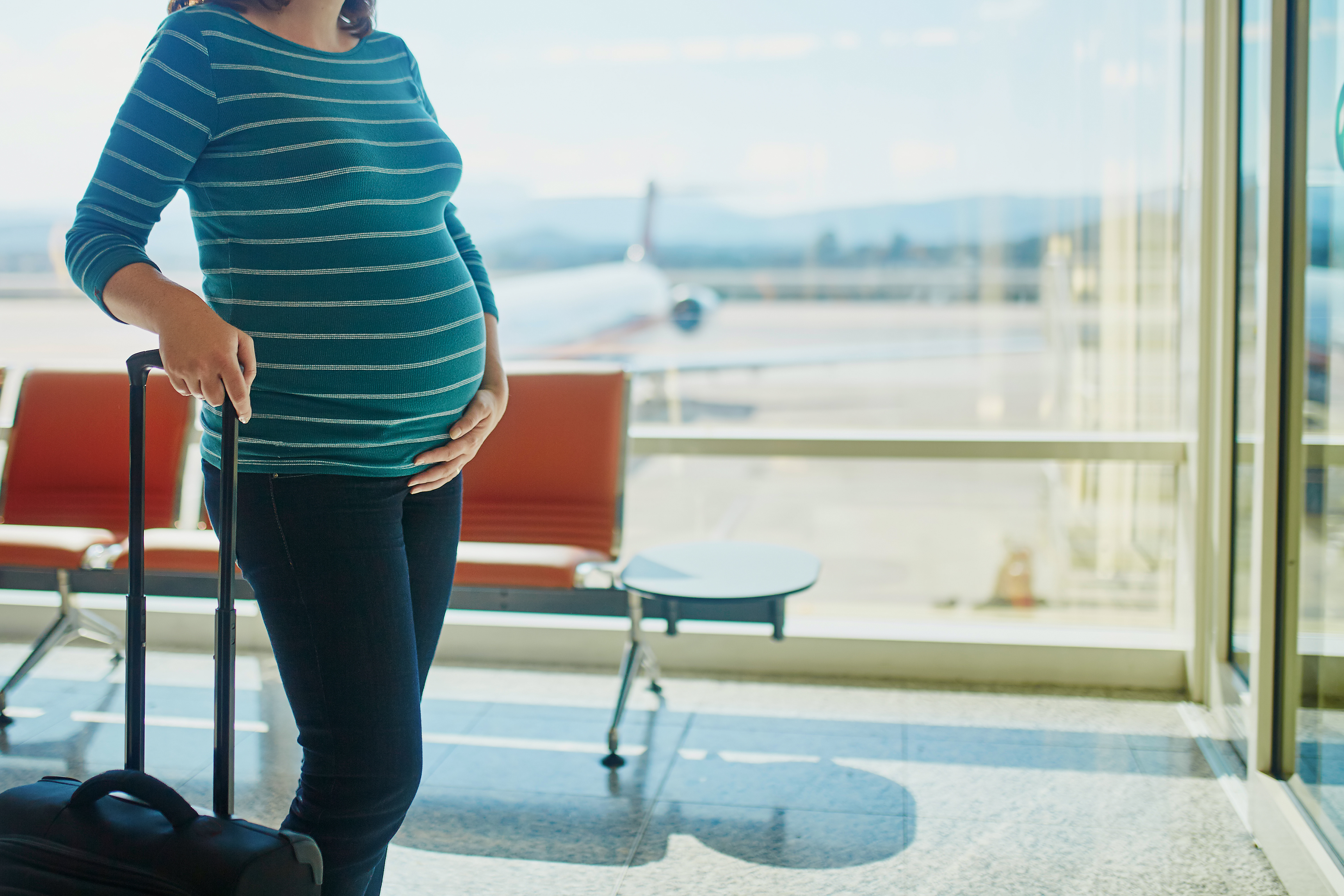
Pregnant woman at second trimester traveling by plane. Mother to be going to vacation or business trip. Is it safe to travel during pregnancy concept

The Dos and Don’ts of Travelling While Pregnant

  • DO schedule a checkup with your midwife before leaving so that they can give you a green light of health to travel safely.
  • DON’T travel during the 1st and 3rd trimester of pregnancy as those are the most cautious times of pregnancy.
  • DO make sure you have plenty of water on hand when travelling, especially if you’re going to take a flight somewhere as humidity levels tend to be low on planes.
  • DON’T pick a window seat when you’re mode of transportation is flight, because you’ll have to get up to use the bathroom more frequently and want ease of access to the plane’s restroom.
  • DO get some compression socks to ensure that you’re able to keep the blood flowing while you’re travelling due to frequent times of sitting down during transportation.
  • DON’T pack an excessive amount of clothing or items in any luggage that you’ll have to carry along with you.
  • DO travel with a copy of all prenatal records and any prescriptions you may have for medication, as well as a reasonable supply of your current medications.
  • DON’T forget to keep your doctor’s phone number handy and consider contacting a doctor in the local area that you’re travelling to so that they’re aware of your presence.
  • DO buy travel insurance so that you have coverage for any mishaps, lost luggage or other things that can occur when you’re travelling.
  • DON’T forget to bring along snacks and small meals that are allowed so that you don’t go without food during travel while pregnant.
  • DO review all mode of transportation policies regarding travelling while pregnant as well as hotel policies so that you have the necessary accommodations to travel while pregnant.
  • DON’T forget to have a plan in place so that you can have adequate health care available to you.
  • DO take as many breaks as possible to ensure you’re not walking or sitting too much when travelling while pregnant so that you can stay as healthy as possible.

Travelling while pregnant can be just as fun as when you’re not pregnant if you simply plan a little more. Now what are you waiting for ……


Aromatherapy oils for pregnancy, babies and children

The practice of aromatherapy has been used for centuries to treat a whole variety of different health conditions, particularly as a form of stress relief and to reduce anxiety. However, before using essential oils, it is necessary to be aware of some safety guidelines, especially when pregnant.

Aromatherapy Oils for Pregnancy

Before purchasing high-quality essential oils whilst pregnant, it is important to understand which aromatherapy products have been identified as safe during pregnancy and which must be avoided.

* Avoid massage blends with essential oils/bath oils until after three months of pregnancy.
* Use massage blends with half normal drops of essential oils.
* Take special care when blending oils to keep to low dosage.
* Do not use intensive, strong purifying oils during pregnancy.

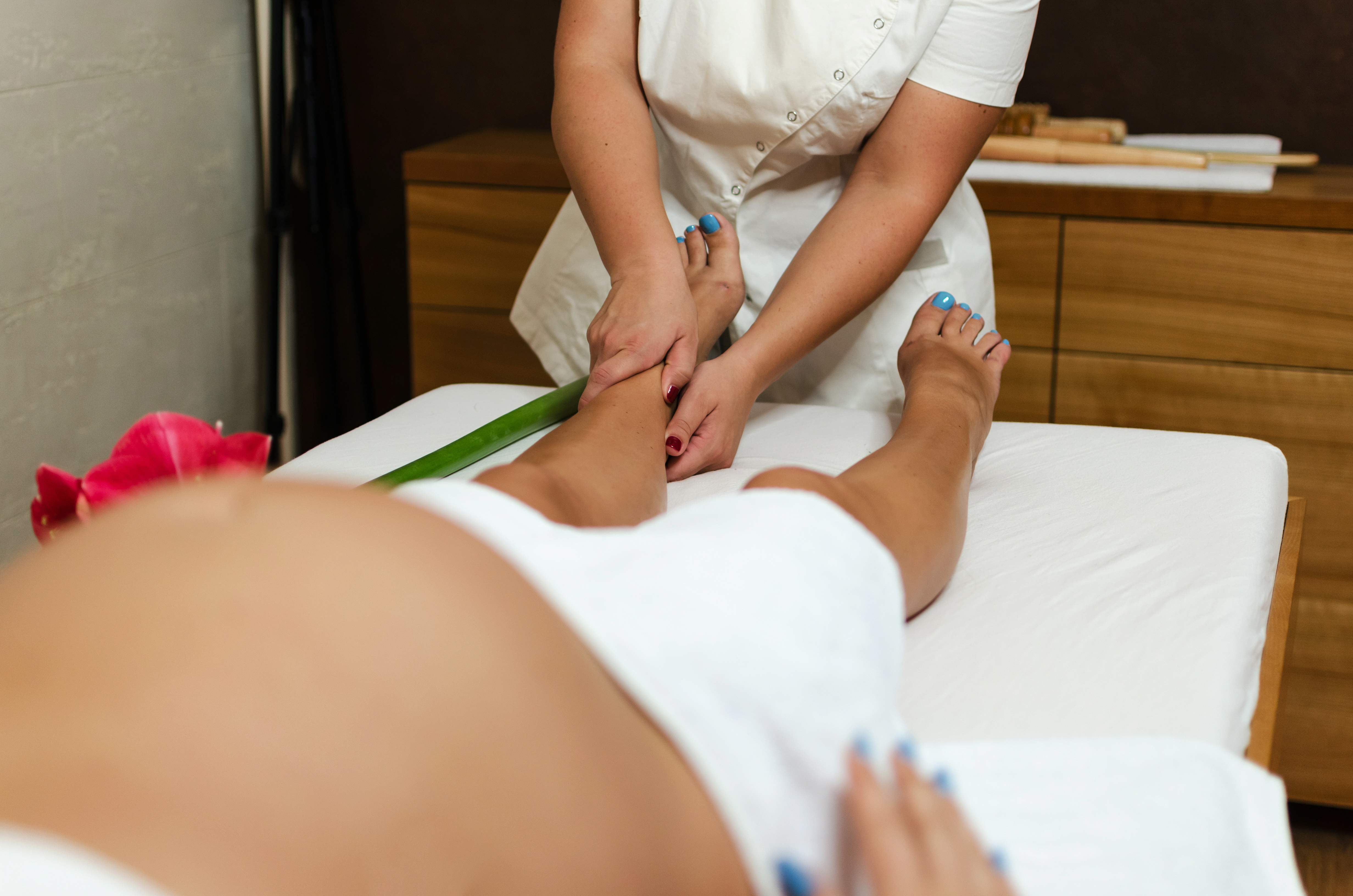
Masseur massages the pregnant woman's legs. Young woman feels or feeling pain in bloated legs because of water. Massage is the right thing for everyone. Girl relaxing in spa center.

There are several essential oils which are identified as being too strong for usage whilst pregnant, such as rosemary, fennel, tulsi, sweet basil, myrrh and angelica root. Aromatherapy oils are beneficial for massage after the first three months of pregnancy, to include as follows:

* Roman chamomile
* orange leaf
* lavender
* geranium

Aromatherapy Essential Oils for Babies, Toddlers

While aromatherapy essential oils are not safe for babies under three months old, there are recognised benefits for using oils on babies older than three months.

* baby bath: 1 drop essential oil diluted in 4 tsp carrier oil
* baby massage: 1 drop rose otto in 4 tsp sweet almond oil
* for healing a sore bottom: Roman chamomile
* to aid sleep and soothe skin: lavender
* to calm a baby or toddler: neroli
* to moisturize the skin: rose otto

Aromatherapy Safety for Children (2-10 years)

Aromatherapy has been identified to have multiple healing properties when used safely, following key guidelines. While children aged over ten are able to use essential oils as recommended for adults, those aged between two and ten must not have more than two drops of oil in a massage blend.

* to soothe nerves: Roman chamomile
* to aid sleep: lavender
* to relieve cold symptoms: lemon-scented eucalyptus
* to unblock the nose: lemon
* to calm emotional stress: sweet orange
* to relieve tummy troubles: spearmint
* to soothe irritated skin: rose otto

As highlighted above, special precautions are necessary for using aromatherapy oils during pregnancy and for babies, toddlers and children under ten years old. Roman chamomile helps soothe nerves and heal sore bottoms, while lavender aids sleep and soothes irritated skin.